
Empowering Black Homeownership in the DC Metro Area

Empowering Black Homeownership in the DC Metro Area
Every February, Black History Month invites us to honor the achievements, resilience, and dreams of Black Americans, past and present. In the DC Metro area, where Black history is woven into the very fabric of our neighborhoods, this is a powerful moment to reflect on one of the most significant milestones of economic empowerment: homeownership. Although March is here and Black history month has technically ended, I wanted to touch on some things based on conversations I've had from current and future homeowners between January and February.
Historically, homeownership has been a cornerstone for building generational wealth and stability. For Black families in the DC Metro area, owning a home is more than just a personal achievement. It’s a legacy that can uplift entire communities. Although there were many efforts designed to keep black ownership low, the resilient nature of our people refused to stop striving for what they rightfully earned. Today, times are much different. I wont pretend that affordability isn't an obstacle for many in the DC Metro area. Based on research, I want to be real with you. The chances of that changing in this area are slim. The good news is you have options.
Strategic Steps to Prepare for Homeownership
Whether you’re dreaming of a rowhouse in Capitol Hill or a cozy condo in Silver Spring, taking these proactive steps can set you up for success:
-
Budget with Intention: Start by tracking your income and expenses.
- If you want to get a clear picture of your income vs. your expenses, here is something I've done for years to help me set a realistic budget. I start by writing how much income I have every month. If I was paid twice a month I simply added both amounts together, or if I was paid weekly I would add each of those weekly amounts. Then, I list all my NECESSARY expenses. Necessary meaning everything I need to live and operate. This is simply an example for illustration purposes.These expenses will differ based on everyones life. Rent, utilities (water, electricity, gas etc.), car payment (if I have one), car insurance. Then I list expenses I have such as, credit card payments, student loans, any other debt payments. All my major bills/expenses are now in my face. Add all those amounts together. Subtract the expenses from the income and you will see what you have to work with for anything else you want or need to do in a month. So, if I made $5,000 per month and my expenses came out to $3,300 per month, I now see I have $1,700 left after expenses/bills have been paid. From here I can allocate how much I will spend on food, gas (or charging electric vehicle), saving, investing, beauty (nails, hair, skin etc), clothing, social events etc. Modify your list based on you and or your families lifestyle. For example, if you have children, childcare may be one of your expenses. The purpose here is to have a clear picture of your income vs. your expenses so you know if you need to make changes and where you can afford to make those changes.
- If you aren't saving but you want to buy a house, be realistic with yourself about your lifestyle. Start saving now. I don't care if it's $5 a month. START. You want to have some money saved whether you intend to use a home buying program or not. Home buying comes with fees, and expenses that you want to be prepared for. More on that in another blog post. For now, I want to make sure you know how to strategically analyze your financial situation so you can make the changes required to make this dream of homeownership a reality.
-
Save Smart: Your typical everyday bank account will not help expedite your savings.
- Open a high-yield savings account to grow your down payment fund faster. For those comfortable with more risk, consider investment vehicles like mutual funds or ETFs to potentially accelerate your savings. Here is a great post explaining high yield savings accounts and what you should look for when choosing one, high yield savings account
- Please do your research on risk. Consult a tax professional on how investing can affect your taxes. There are many high yield savings account that offer 3%-5% APY. Marcus by Goldman Sachs is currently offering 3.65%. If a bank has too many fees, withdrawl limits, and doesn't make it easy to setup transfers from one account to another, keep shopping around.
- Check Your Credit: Review your credit report and work on boosting your score. A higher score can unlock better mortgage rates and loan options. I recommend going to Annual Credit Report to pull all three credit bureau reports seperately. Work on clearing up any inaccuracies and paying down debt.
- Explore Multigenerational Living: Buying with family members or pooling resources with like minded people can make homeownership more attainable. It’s also a wonderful way to support each other and build community.
- Consider House Hacking: Consider purchasing a multi-unit property or a home with a seperate living space (basement, adu, detached building on the property). Renting out part of your home can help offset your mortgage and build equity faster. You can do this as a long term rental, short term rental or mid-term rental depending on the rules in your local area. Please note, house hacking is not a way to afford a home. You still must qualify for the property using your income in the event the tenant couldn't pay their rent, short term rental or midterm rentals in your area stopped or bookings are slow.
Local Resources & Assistance Programs
The DC Metro area offers a wealth of support for first-time and some second time homebuyers:
- DC Open Doors: This program provides down payment assistance and competitive mortgage rates for eligible DC residents.
- Maryland Mortgage Program (MMP): For buyers in Maryland, MMP offers down payment and closing cost assistance, plus special programs for educators and first responders.
- Virginia Housing (formerly VHDA): Virginia residents can access grants, second mortgages, and homebuyer education resources.
- Employer-Assisted Housing: Major DC employers, including some federal agencies, hospitals, and universities partner with local programs to offer closing cost and down payment help. Check with your HR department to see what’s available!
- Community Organizations: Groups like the Greater Washington Urban League, Manna, Inc., and the Housing Counseling Services offer workshops, coaching, and advocacy for Black homebuyers.
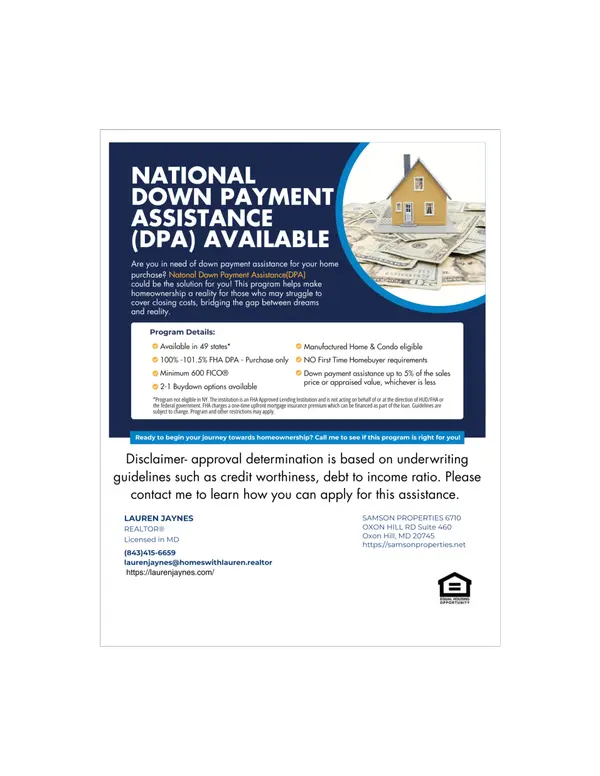
- Natonal programs: There are also national programs that many in the DC Metro area can take advantage of as well. NACA is one. It can be a lengthy process and does require organization on your part to ensure you always have the information requested at the ready.
Moving Forward with Confidence
Homeownership is a journey and you don’t have to walk it alone. By tapping into local resources, leaning on community, and preparing strategically, you can turn your dreams into reality. In honor of black history (which we celebrate every month! ), let’s honor the past by building a brighter, more secure future one home at a time. I'm happy to speak with you about your goals and to help you create a stragey to achieve them. Contact me so we can get started!
Recent Posts





GET MORE INFORMATION